Conservation of rare and endangered species
Reintroduction and competition with crops
Description
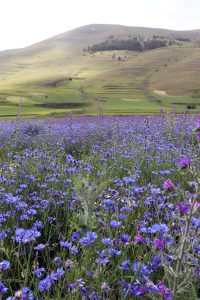
The intensification of European agriculture has led to a dramatic decline in weed species (wild species associated with agroecosystems), many of which are now at risk of extinction. Farmers are often reluctant to undertake reintroduction programs for fear that these rare weeds could reduce crop yields. However, experimental evidence supporting these concerns remains limited. In this context, we are experimentally studying whether emblematic and threatened weed species, such as Agrostemma githago, Centaurea cyanus (cornflower), Bromus grossus (extinct in Italy), and the rare fern Marsilea quadrifolia, influence crop productivity, specifically, common wheat and spelt. Using plant traits related to the vegetative and reproductive productivity of both weed species and crops, we were able to verify that none of the species studied negatively affected crop productivity in open fields.
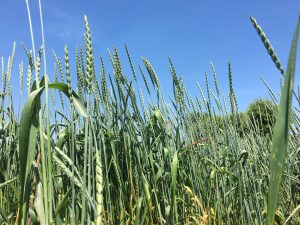
Sperimental trials with spelt
To date, our results suggest that threatened seedling species can be reintroduced at controlled densities without compromising yields. This approach could help address farmers’ concerns while supporting biodiversity-friendly practices.