The Plant Propagation and Reintroduction Laboratory is dedicated to developing propagation, cultivation, and reintroduction protocols for endangered plants. It is a space where rare and threatened plant species, particularly those found in humid environments, are cultivated ex situ for research, education, and conservation purposes.
The Laboratory is currently developing propagation protocols for: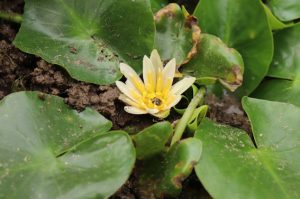
Nymphaea thermarum E.B. Fischer: the world’s smallest water lily; endemic to Rwanda, it was considered extinct in the wild until 2023, when it was rediscovered by Professor Thomas Abeli. It is now considered Critically Endangered and in need of urgent conservation action. In the Laboratory, we study its ecology, seed germination, and protocols for ex situ conservation.
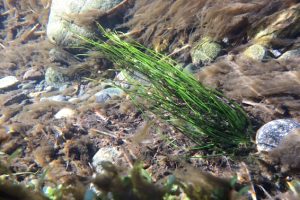 Isoëtes malinverniana Ces. et De Not.: a critically endangered aquatic plant endemic to the western Po Valley. Once abundant, this Mesozoic species has approximately 10 populations remaining in irrigation canals in the provinces of Pavia, Vercelli, and Novara. Here, we study its ecology, spore preservation and germination conditions, and develop conservation measures that allow the species to coexist with modern agricultural practices.

Cedrus libani var. brevifolia Hook.f.: A conifer endemic to the Troodos Mountains of Cyprus, with a range of less than 20 square kilometers. It is currently classified as a vulnerable species, threatened by climate change and habitat fragmentation. The juvenile specimens in our collection allow us to delve deeper into its ecology and develop cultivation protocols useful for ex situ conservation.
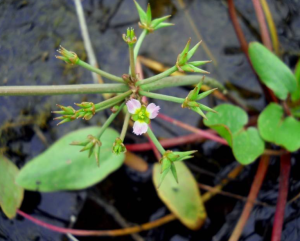
Damasonium alisma Mill.: A species typical of temporary wetlands, currently in sharp decline throughout Europe due to habitat loss and considered globally vulnerable. In the laboratory, we study its ecological requirements and propagation techniques to inform future conservation and reintroduction efforts.
The Laboratory hosts the following species in ex situ cultivation:
| Species | Provenance | Origine | Codice |
| Isoëtes azorica | Lione Botanical Garden | Azzorre Islands | ISO/001 |
| Isoëtes longissima | Wild | Lazio | ISO/002 |
| Isoëtes malinverniana | Wild | Lombardy | ISO/003 |
| Nymphaea thermarum
Cedrus brevifolia Damasonium alisma |
Lione Botanical Garden
Wild Wild |
Ruanda
Cipro Lazio |
A/001
A/002 A/003 |
Supervisor: Prof. Thomas Abeli (thomas.abeli@unipv.it)
Collaborator*: Martina Tarascio (research fellow)