Plant diversity in the Ngezi-Vumawimbi Forest Reserve (Pemba, Tanzania)
A unique and fragile ecosystem at risk of disappearing
Description
Since 2024, a collaboration has been underway with the Oikos Institute to study and enhance the Ngezi-Vumawimbi Forest Reserve (Pemba Island, Tanzania), the last remaining strip of vegetation that once covered much of the second largest island in the Zanzibar archipelago.
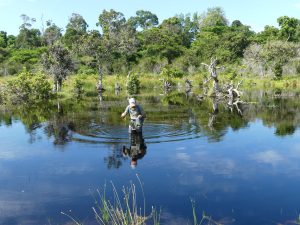
A glimpse of the Reserve
The Reserve comprises a variety of valuable environments, including humid forests, coastal forests, forests and scrublands on fossil coral limestone, Erica mafiensis heaths, mangroves, and freshwater and/or brackish marshes. The Reserve’s flora is little studied and consists of a unique set of species influenced by the African continent (including Afromontane environments and the Guineo-Congolian floristic region), the Mascarene Islands, and Madagascar, with elements of Indo-Pacific flora. Strong human pressure, particularly logging, and the development of unsustainable tourism are the major risk factors for the Reserve’s conservation. A nursery of native species has been created, and reforestation projects are currently underway. The richness of the flora has revealed the presence of species new to science, which we have described (e.g., Afzelia corallina and Disperis ngeziensis).
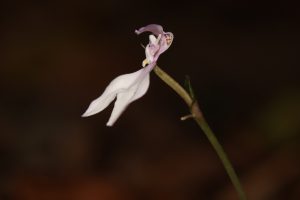
New species of the genus Disperis
The diverse habitats make this forest unique and worthy of protection and conservation. For this reason, Oikos is working closely with Tanzanian authorities to elevate the reserve to a National Park.